
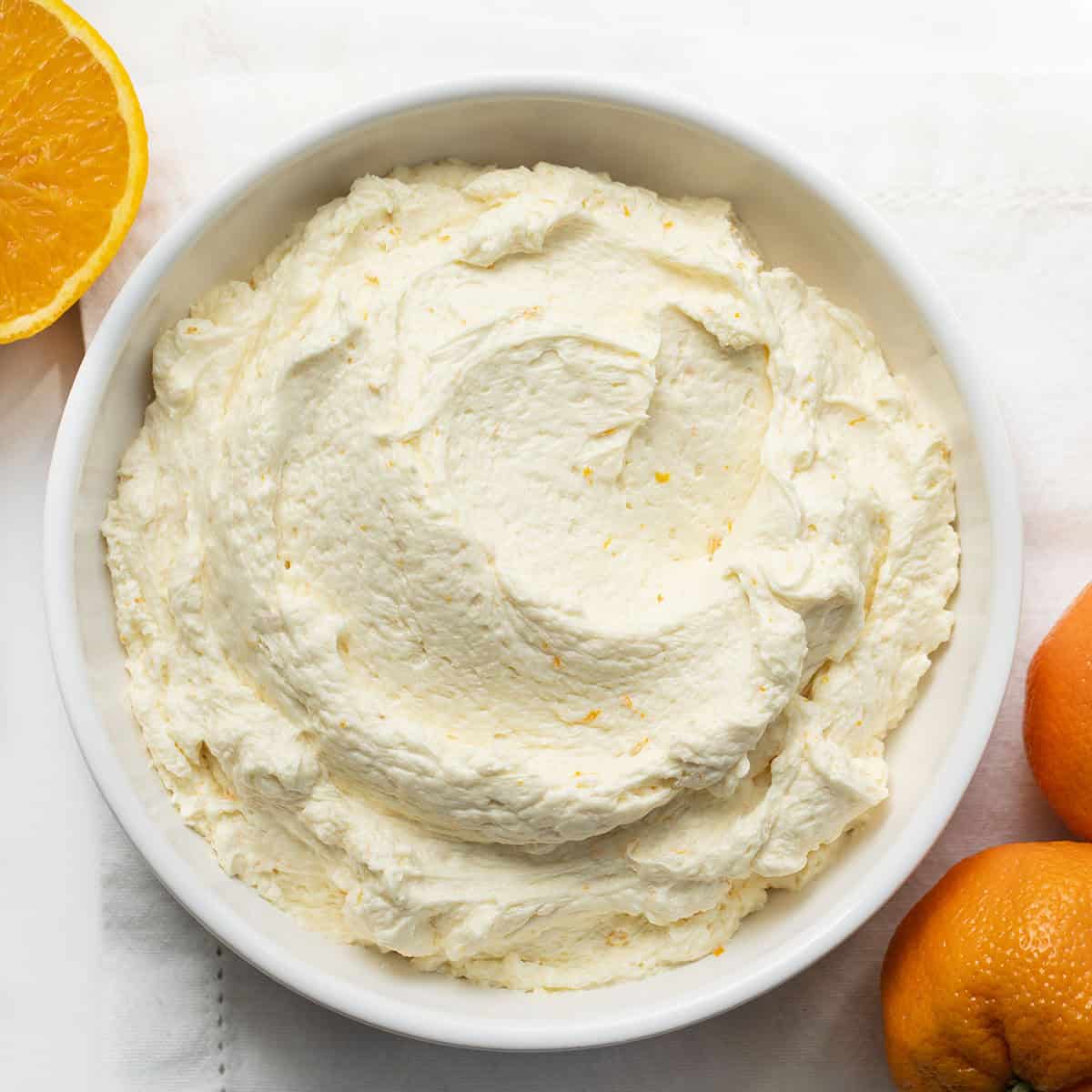
This Orange Ermine Frosting is light, silky, and full of fresh citrus flavor. Made with a cooked flour base instead of confectioners’ sugar, it has a smooth, fluffy texture that’s not overly sweet, perfect for cakes, cupcakes, and layered desserts. If you’ve tried my classic ermine frosting (also known as $300 frosting), you’ll love this bright orange version for spring and summer baking!
Ingredients & Substitutions
- Milk: Use whole milk for the creamiest frosting. You can also use 2% milk. Lower-fat milk can be used, but the frosting may not be as rich. Non-dairy milk, like coconut milk, can be used, but it may slightly change the flavor and texture.
- Orange Juice: Freshly squeezed orange juice gives the best flavor. It adds a bright, fresh taste that really stands out. Bottled juice can work in a pinch, but the flavor won’t be quite as vibrant.
- Flour: Use all-purpose flour for the best results. When cooked with milk and juice, it thickens into a smooth base. This step also makes sure the flour is fully cooked, so the frosting tastes clean and creamy.
- Orange Zest: Orange zest adds extra flavor and tiny flecks of color. It makes the frosting taste more like real oranges. If you skip it (but I really hope you use it!), the frosting will still work, but won’t have as much citrus flavor.
- Butter: Butter makes the frosting smooth and rich. I prefer to use unsalted butter so I can control the flavor. Make sure it is soft before mixing so it blends easily.
- Sugar: Use granulated sugar. It gets mixed with the butter to help create a light and fluffy texture.
- Vanilla: Vanilla adds a little extra flavor and helps balance the orange. You can leave it out if needed, or try almond extract for a slightly different flavor.
FAQs
Why is my ermine frosting runny?
This usually means the cooked milk mixture was too warm when added to the butter. Make sure it is fully cooled to room temperature before mixing. If the frosting is still too soft, chill it for 15 to 20 minutes, then beat again.
Why is my frosting grainy?
Grainy frosting can happen if the sugar hasn’t fully mixed into the butter. Beat the butter and sugar until light and fluffy before adding the cooled mixture. Also, make sure the cooked base is smooth with no lumps.
Can I make orange ermine frosting ahead of time?
Yes! You can make it a day in advance. Store it in the refrigerator, then let it come to room temperature and re-whip before using to bring back the smooth, fluffy texture.
Can I use bottled orange juice?
Fresh orange juice is best for flavor, but bottled juice will work if that’s what you have. The frosting may not taste quite as bright, but it will still be delicious.
What cakes go best with orange ermine frosting?
This frosting pairs well with vanilla (like my vanilla delight cake), the perfect chocolate sheet cake (made in a 9×13-inch pan), and almond cakes. It’s also great on cupcakes or layered cakes where you want a light, not-too-sweet frosting.
Can I freeze ermine frosting?
Yes, you can freeze it for up to 1 month. Let it thaw in the refrigerator, then bring it to room temperature and re-whip until smooth before using.
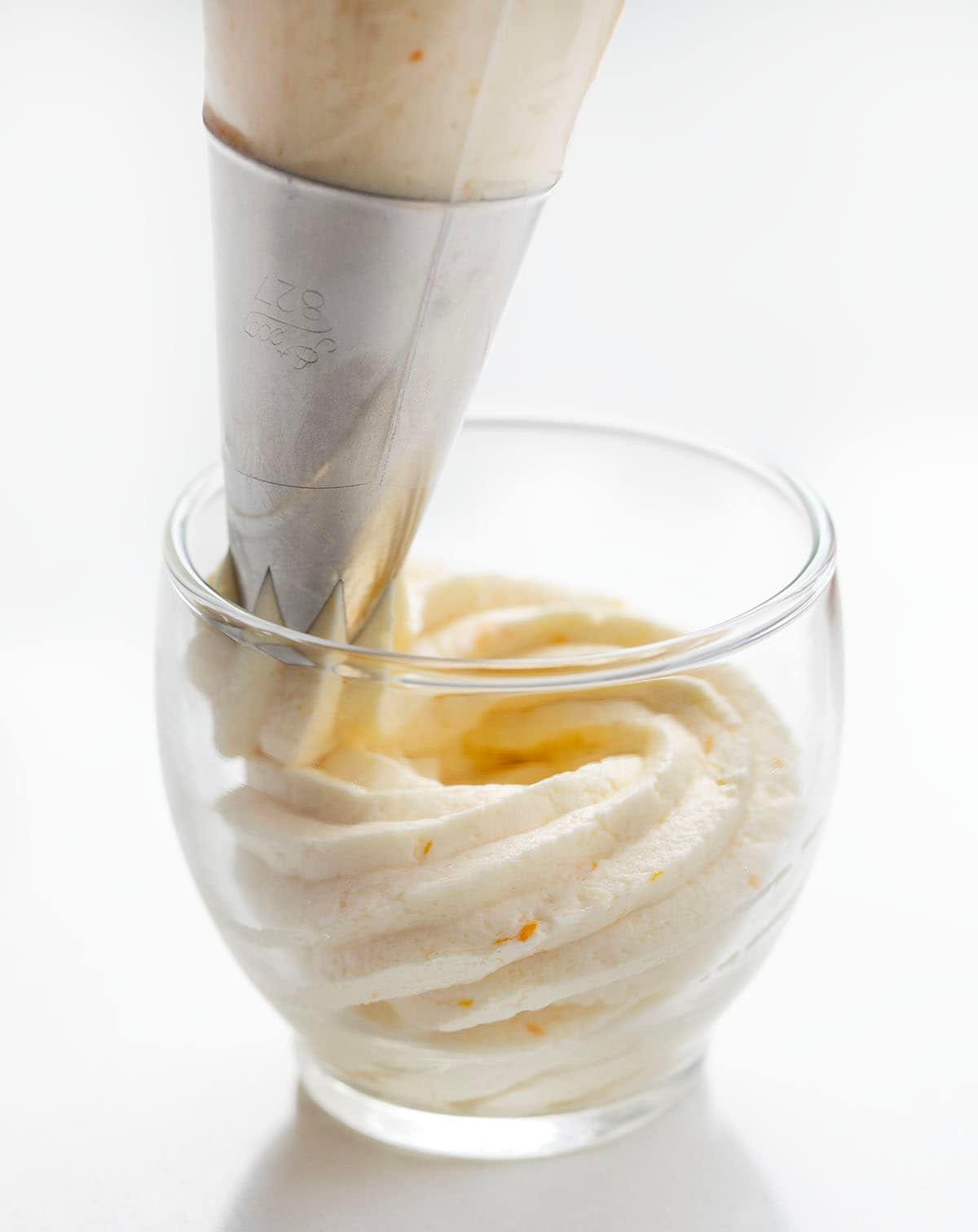
Flavor Variations
Once you’ve tried this orange ermine frosting, it’s fun to see just how easy it is to change the flavor. The base frosting is light, creamy, and perfect for experimenting with different add-ins.
- Vanilla Ermine Frosting: Keep it classic with extra vanilla extract for a simple, sweet frosting.
- Chocolate Ermine Frosting: Whisk in cocoa powder for a rich chocolate version that still stays light and fluffy.
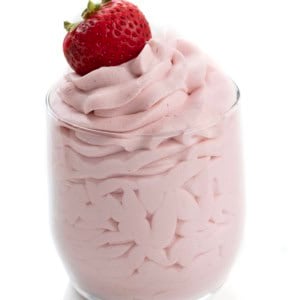
- Strawberry Ermine Frosting: Add strawberry puree or freeze-dried strawberry powder for a fresh berry flavor and soft pink color.
- Lemon Ermine Frosting: Swap the orange juice and zest for fresh lemon for a bright, tangy frosting.
- Brown Sugar Ermine Frosting: Swap part or all of the granulated sugar for brown sugar to add a deeper, caramel-like flavor.
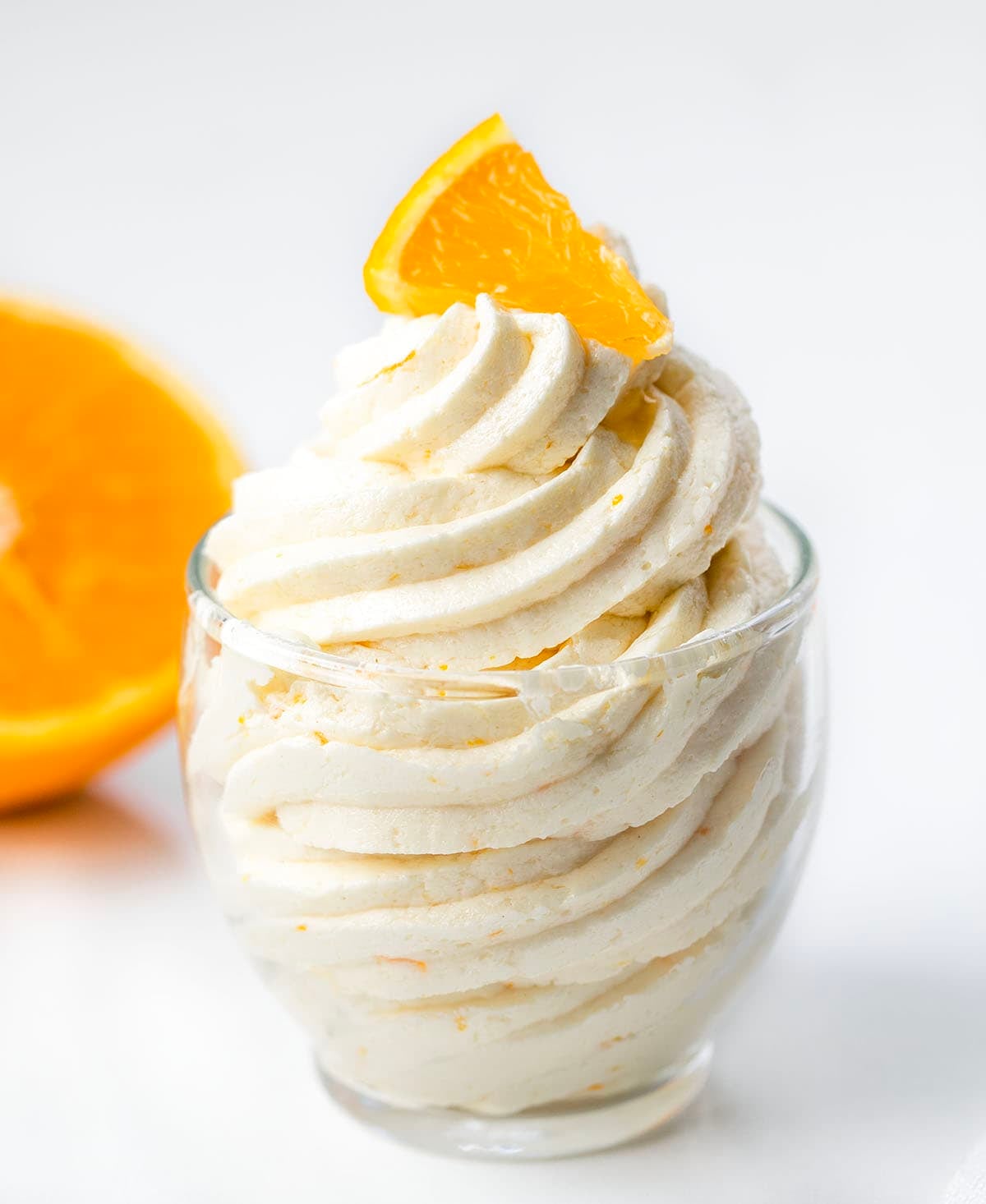
How to Store Orange Ermine Frosting
Room Temperature: You can leave ermine frosting out for up to 2 hours while decorating a cake or cupcakes. After that, it should be covered and moved to the refrigerator.
Refrigerator: Store ermine frosting in an airtight container in the fridge for up to 3 days. It will firm up when chilled, so let it sit at room temperature for 30 to 60 minutes before using. Then re-whip it in a mixer until it becomes smooth and fluffy again.
Freezer: Ermine frosting freezes well. Store it in a freezer-safe container for up to 1 month. When ready to use, thaw it overnight in the refrigerator. Bring it to room temperature, then beat it again until light and creamy.
Best Tip: If the frosting looks separated or too stiff after storing, don’t worry, that’s normal. A quick whip in the mixer brings it right back to a smooth, spreadable texture.
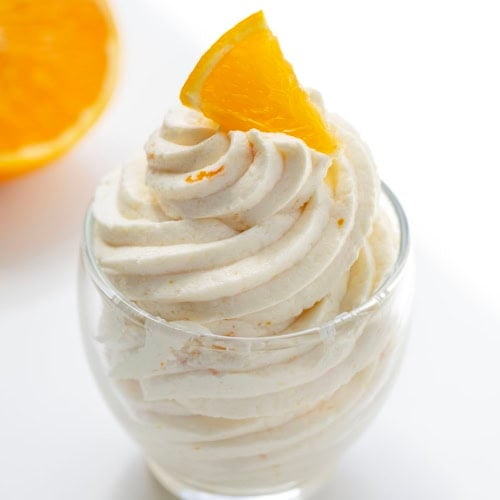
Orange Ermine Frosting
Ingredients
- ¾ cup (180 g) whole milk
- ¼ cup (60 g) freshly squeezed orange juice, from about 1 large orange
- 5 tablespoons all-purpose flour
- 1 tablespoon orange zest*, from about 1 large orange
- 1 cup (2 sticks / 227 g) unsalted butter, room temperature
- 1 cup (200 g) granulated sugar
- 1 teaspoon vanilla extract
Instructions
- In a medium saucepan over medium heat, whisk together the milk, orange juice, flour, and orange zest. Cook, whisking constantly, for 3 to 5 minutes, or until smooth and thickened. The mixture should resemble a very thick pudding and hold its shape when whisked.
- Remove from heat and let cool completely to room temperature. (It should no longer feel warm to the touch.)
- In the bowl of a stand mixer fitted with the paddle attachment, cream the butter and sugar on medium-high speed for 2 to 3 minutes, or until light and fluffy.
- Switch to the whisk attachment.
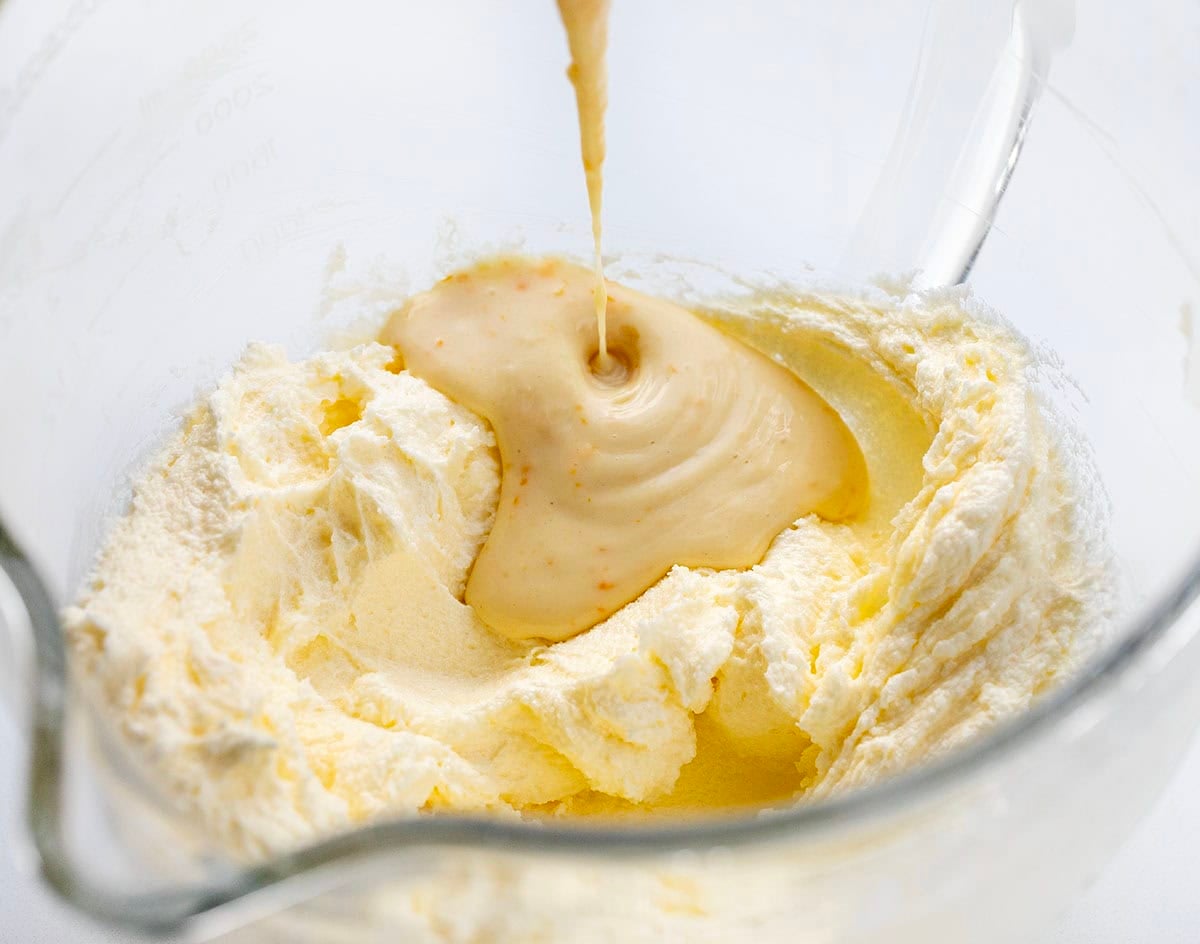
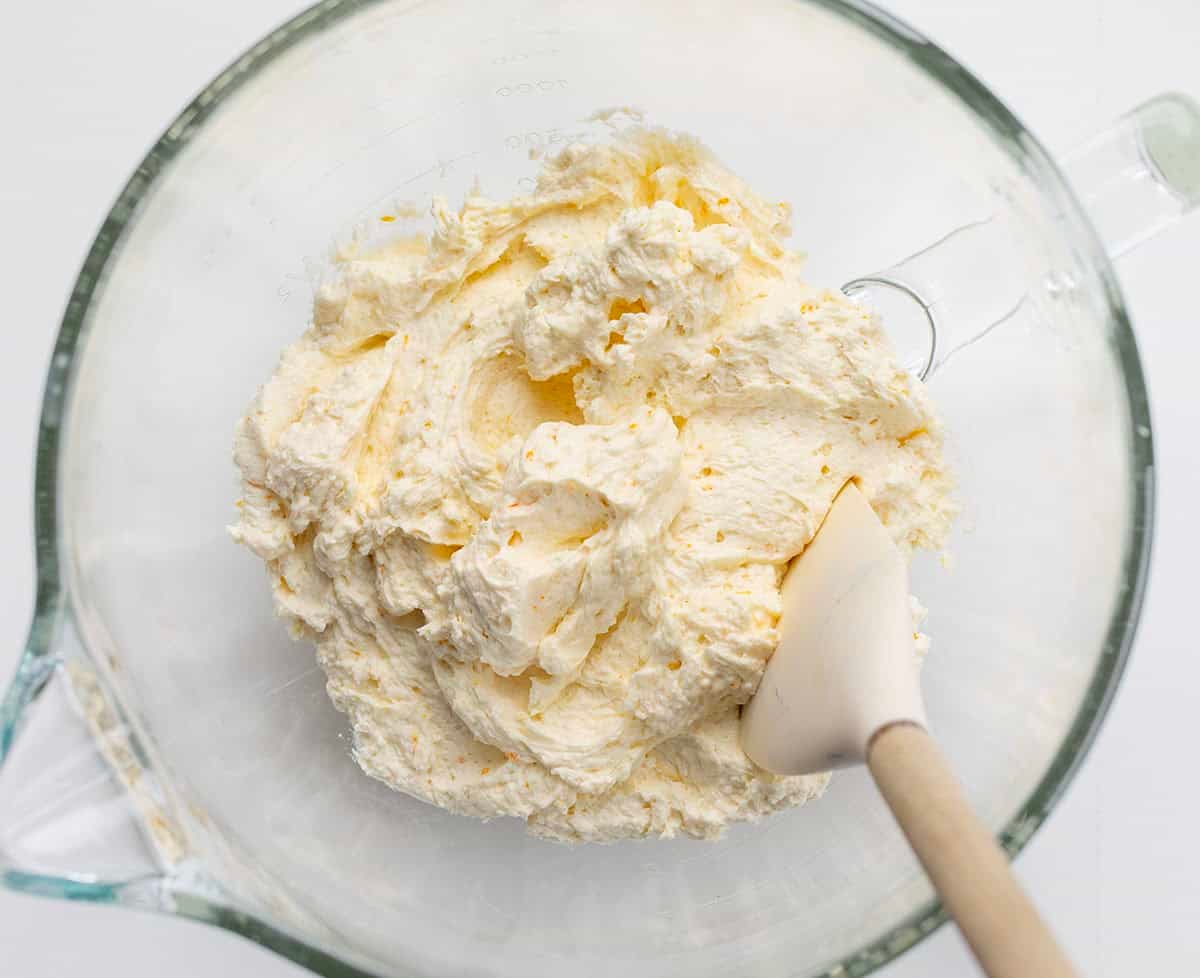
- Add the cooled milk mixture and vanilla extract. Beat on medium-high speed until the frosting is smooth, fluffy, and spreadable, about 7 to 8 minutes.
Video
Notes
Did you make this recipe?
Thank you for making my recipe! You took pictures, right? Well go ahead and post them on Instagram! Be sure to mention me @iambaker and use the hashtag #YouAreBaker.










Thsnks so much for recipes. Not sure what FB is doing but I didn’t ask for it. Keep sending please.
I have made ermine frosting in vanilla, chocolate, strawberry, and orange. I made a strawberry cake with ermine frosting for my daughter’s baby shower and the cake was gone in less than 5 minutes. Several people said that they liked this frosting better than cream cheese frosting. That is good because I hate cream cheese. My Grandma used to make this type of frosting for every kind of cake in the 70s, before cream cheese frostings were popular. Thank you for including the recipes for many different flavors.
What wonderful memories you’ve shared here. Thank you. 💛